Gram Swarajya is not nostalgia — it is a governance model
Gandhi did not describe the village republic as a memory to preserve. He described it as a way to organise power. The 73rd Amendment is how we begin to build it.
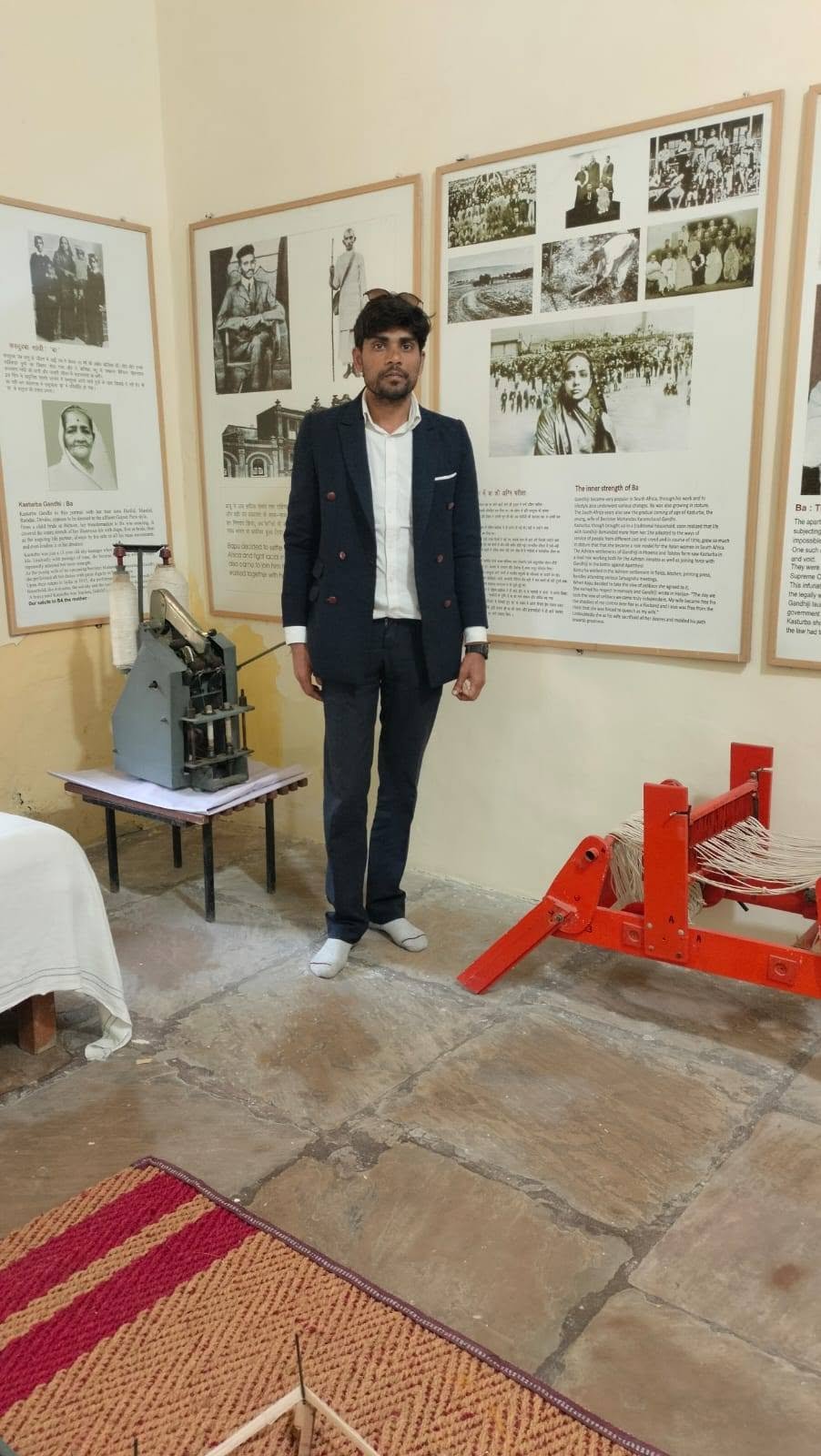
When people hear the phrase Gram Swarajya, they often picture something from the past — a self-sufficient village of a hundred years ago, spinning its own cloth, settling its own disputes. That picture is comforting, and it is also misleading. Gandhi was not asking us to look backward. He was describing how power should be arranged in a free country: as close to the person it affects as possible.
That is not nostalgia. It is a governance model, and it is more relevant now, not less.
What the idea actually claims
The core claim of Gram Swarajya is simple and radical at the same time: the village should be the unit where decisions about the village are made. Not the district headquarters, not the state capital, not a file moving between departments — the people who live with the consequences of a decision should have real authority over it.
Independence must begin at the bottom. Every village has to be self-sustained and capable of managing its affairs.
Read that as an administrative instruction rather than a slogan and it becomes demanding. It means a village needs three things it is usually denied: the authority to decide, the funds to act, and the people to carry the work out. Take away any one of the three and self-rule becomes a ceremony.
Where the Constitution meets the idea
For decades Gram Swarajya lived in speeches but not in law. That changed in 1992, when the 73rd Constitutional Amendment gave Panchayati Raj institutions a place in the Constitution itself. For the first time, elected village government was not a favour a state could grant or withdraw — it was a constitutional requirement.
The Amendment did three things that matter for anyone who takes the village seriously:
- It made regular elections to panchayats mandatory, so a state can no longer quietly leave them unelected for years.
- It reserved seats for Scheduled Castes, Scheduled Tribes and women, so the people historically kept out of decision-making now have a guaranteed place at the table.
- It named the Gram Sabha — the assembly of every adult voter in the village — as a body the system has to reckon with.
None of this finished the job. What it did was give the idea a legal spine.
The gap that remains
Here is the honest part. Having a constitutional panchayat is not the same as having self-rule. Authority on paper does not automatically come with a budget or trained staff. In too many places the elected panchayat exists, holds its meetings, and still waits on someone else for the money and the manpower to do anything with its powers.
That gap — between the authority written into the Constitution and the capacity available on the ground — is the real work of our generation. Closing it is not about admiring an old idea. It is about finishing an unfinished one.
Why this matters beyond the village
It is tempting to treat all of this as a rural concern, something separate from the country's larger direction. It is not. A nation that cannot govern its smallest unit well will struggle to govern anything well. The habits of accountability, of open meetings, of money that can be traced — these are learned first in the village or they are not learned at all.
Gram Swarajya, taken seriously, is a training ground for the whole democracy. The village is where an ordinary citizen first sees whether their voice changes anything. Get that experience right, and you build trust that carries all the way up. Get it wrong, and no amount of national ambition makes up for it.
So I do not defend Gram Swarajya because it is old. I defend it because it is the most practical answer we have to a permanent question: where should power sit? The answer Gandhi gave, and the answer the Constitution now supports, is — as low as it can go, and no lower than the people themselves.
- Gram Swarajya
- Panchayati Raj
- Rural development
Related posts
Governance Why the Gram Sabha is the most under-used institution in Indian democracy
Every adult voter in a village is a standing member of a constitutional assembly with real powers. Most never use them. Here is what the Gram Sabha can do — and why it so often does not.
4 min read
Policy The 73rd Amendment gave villages a constitution. Now they need capacity.
A plain guide to what the 73rd Amendment actually established — the three tiers, the reserved seats, the Gram Sabha — and the one thing it could not legislate into existence.
4 min read
Policy Money without machinery: the Panchayat finance problem
Funds reaching a Gram Panchayat is only half the story. Without staff to plan and account for them, money arrives and stalls. A look at how Panchayat finance is meant to work — and where it breaks.
4 min read